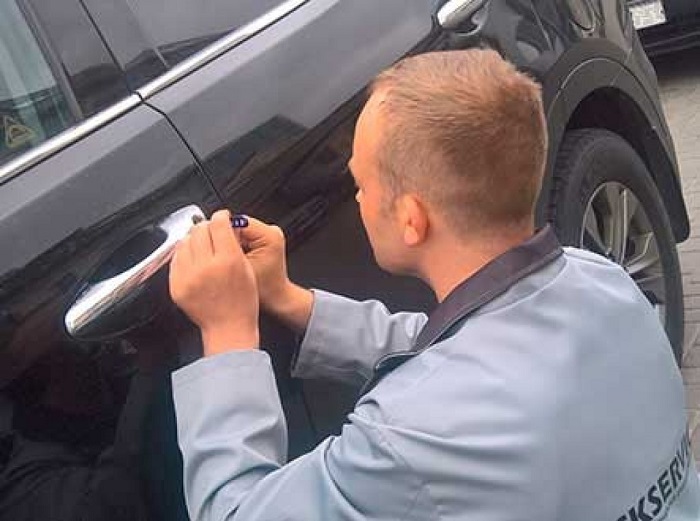
Opening a car is a complex and responsible process that requires adherence to certain rules and the correct sequence of actions. Key steps include diagnosing damage, selecting tools, and safely opening locks and locking mechanisms, which minimizes the risk of damage to the car. More information about car opening on https://solidcarlocksmith.ca/car-locksmith-burlington/ will help you understand the nuances and specifics of this procedure.
Compliance with safety regulations and legal aspects is essential to avoid legal consequences. Professional specialists use proven methods and tools for effective opening, ensuring the safety of the client’s property and quick results.
Efficient stages of car disassembly for professionals and amateurs
Before opening a car, it is important to thoroughly prepare, familiarize yourself with its design features, and comply with all safety requirements. The disassembly process must be systematic to avoid damage and ensure the safety of parts. To do this, it is recommended to have the necessary tools on hand, as well as a plan of action to help you complete each step sequentially.
Properly completing each step not only makes the opening process easier but also more efficient. Below are the basic steps that both professionals and amateurs should follow to achieve the best results.
Stages of Car Disassembly
- Preparing Tools and Work Areas – Prepare the necessary tools, such as screwdrivers, wrenches, and special tools for removing interior and body components. Provide a clean and safe work area.
- Exterior Disassembly – Carefully remove bumpers, hood, doors, roof, and other exterior parts, following the correct procedures and sequence to avoid damage.
- Interior Disassembly – Remove trim, dashboard, seats, electrical components, and interior structures, carefully securing all removed parts for future use or inspection.
- Mechanical Disassembly – Disconnect the engine, transmission, suspension, and other major components, ensuring proper sequence and markings for reassembly.
Tips and Rules for Effective Opening
- Follow the correct procedure and try not to rush to avoid damage.
- Use the correct tools designed for specific materials and components.
- Label or secure removed parts For ease of future assembly or analysis.
- Ensure safety by using protective gloves, goggles, and masks when working with sharp tools and hazardous substances.
- With a disassembly plan, do not skip important steps and monitor the process to ensure it is systematic and accurate.
Step-by-Step Sequence for Removing Exterior Components Without Damage
Before removing exterior vehicle components, it is necessary to prepare the tools and ensure complete safety. This includes using specialized screwdrivers, plastic fasteners, and gloves to protect your hands and prevent scratches.
It is also important to familiarize yourself with the design features of your specific vehicle model to avoid accidental damage to components or their fasteners. Proper preparation ensures careful and safe maintenance and helps preserve the vehicle’s appearance.
Specifics of Opening Hidden Panels and Plastic Trims
Opening hidden panels and plastic trim requires special care and knowledge of the design features. These elements are often secured with special fasteners, adhesives, or hidden fasteners, making them difficult to remove without damage.
A proper approach to this step preserves the integrity of the trim materials and reduces the risk of damage to the vehicle’s interior components. Below are the basic guidelines and steps for this process.
Basic Rules and Recommendations
- Use specialized tools: plastic crowbars, thin screwdrivers, and plastic spatulas to avoid damaging the trim.
- Carefully inspect the fasteners: before starting work, determine the type of fasteners and their location to choose the optimal removal method.
- Work carefully: slowly and consistently unclip/peel elements, avoiding excessive force.
- Pay attention to adhesive joints: if necessary, use a special solvent to gently dissolve the adhesive without damaging the plastic.
Steps for Uncovering Hidden Elements
- Prepare the tool and workspace: clean the surface and prepare the tools.
- Inspect the structure: take photos or video video recording of fasteners for subsequent restoration.
- Slow removal: Carefully separate the trim panels, avoiding strong direct force.
- Treating adhesive-secured fasteners: Use gentle heat or solvent to facilitate removal.
Removing hidden panels and plastic trim panels is a critical step that requires knowledge of the design features and careful handling. Following the rules and recommendations allows for the work to be carried out without damage and preserve the aesthetic appearance of the vehicle’s interior. A proper approach to removal significantly facilitates subsequent repair or diagnostic procedures and ensures the safety and timely restoration of trim components.