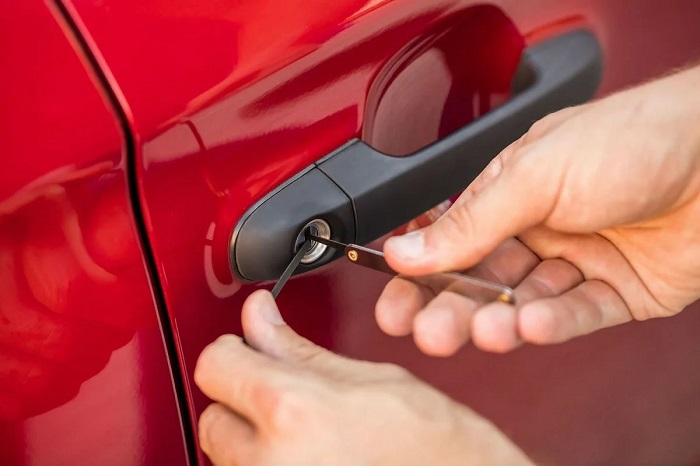
Car opening is the process of gaining access to the interior or components of a vehicle when keys are lost, the locks are jammed, or the locking mechanisms are faulty. To avoid legal risks and damage, it’s important to understand which documents confirm ownership of the vehicle, when the owner or authorized representative’s presence is required, and what actions are considered acceptable during the work.
This article will cover the basic rules for safe and legal car opening: identity and ownership verification, the procedure for recording the request, requirements for tools and methods, and situations when it’s appropriate to involve the police or emergency services. More about car opening on https://carlocksmithcambridge.ca.
Legal Grounds for Keyless Access
The key distinction is between situations where the owner (or their legal owner) acts and cases where access is provided by third parties. The second option almost always requires proof of authority (documents, contract, power of attorney) and documentation of the circumstances (certificate, report, emergency services call).
Who has the right to access the vehicle without a key?
The owner or legal holder (e.g., under a rental agreement, lease, or power of attorney) has the right to have their vehicle opened if necessary to restore access. However, even with this right, it is important to act in a manner that does not disturb public order or create a threat to others, and to take into account the parking conditions, security, and possible requirements of the owner of the territory (parking lot, yard, gated community).
Authorized law enforcement officers may gain access to the vehicle without a key if there are grounds provided by law, such as to prevent an offense, detain a person, if there is a threat to life or health, to ensure the safety of evidence, or during legal proceedings. As a rule, such actions are accompanied by procedural documentation (reports, witnesses, or video recording) and must be proportionate to the intended purpose.
Emergency services (rescue personnel, firefighters, and paramedics working with rescuers) have the right to open a vehicle if there is a threat to life or health: for example, if an unconscious person is inside, a child is in dangerous conditions, or there are signs of smoke or fire. In such situations, the priority is to eliminate the danger, and damage from opening the vehicle is considered a necessary measure if there is no other way to quickly ensure safety.
Service organizations and emergency opening specialists may only perform work at the request of the owner/legal owner and upon confirmation of their rights to the vehicle. In practice, a conscientious enforcement agent will request vehicle documents, identification, proof of ownership, or a power of attorney, and in questionable circumstances, may refuse and suggest calling the police to document the situation.
Under what circumstances is access considered justified?
The most obvious justification is extreme necessity: a direct and immediate threat to life, health, or significant property. The higher the risk and the fewer alternatives, the more justified the search. It is important that the actions be minimally sufficient and aimed specifically at eliminating the danger.
- Danger to a person in the vehicle: signs of overheating/hypothermia, lack of response, risk of suffocation, need for immediate medical attention.
- Fire or explosion threat: smoke, combustible smell, sparking, ignition, need to immediately de-energize/evacuate.
- Immediate actions by authorized authorities: crime prevention, detention, implementation of legal procedures when delay creates a risk.
- Restoring access by the owner: loss of keys/locking inside with proof of ownership and order on the premises.
In all cases, documenting the circumstances increases legal security: calling the competent authorities, the presence of witnesses, taking photos or video, and drawing up a report with the contractor. If the situation is ambiguous (e.g., a dispute over ownership, a parking dispute, or signs of tampering), it is safer to stop and proceed through official procedures to avoid the risk of being accused of trespassing or damaging the vehicle.