Tax season is a bad time to start remembering where you drove last February.
A calendar might show three meetings. A bank statement may show a fuel purchase. Neither one tells you which miles were business, which were personal, or why a particular trip should be included.
That is why a useful mileage log for taxes does not need to be complicated. It just needs to be updated often enough that the details are still fresh.
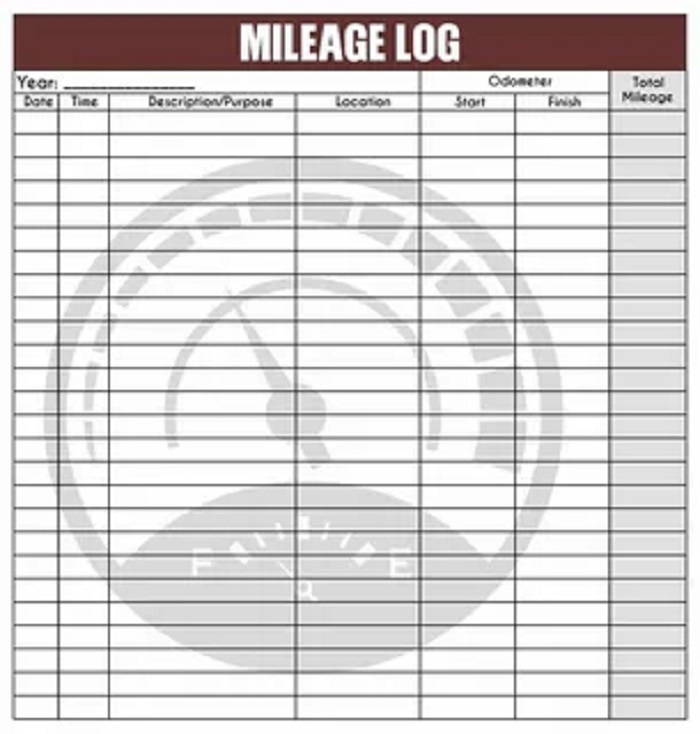
For someone who only drives for work a few times a month, a spreadsheet can be enough. Date, destination, mileage and a short business purpose usually cover the basics.
The description is where people often cut corners.
“Business” is not very helpful.
“Client meeting at warehouse,” “equipment pickup for Site 12” or “property inspection on Oak Street” is much better. If you open the file six months later, you should still understand why the trip happened.
The IRS generally expects vehicle records to show when the vehicle was used, the business mileage, the destination and the business purpose. Records made close to the time of the trip are also more useful than trying to rebuild a full year from memory.
The problem changes when someone is driving five, ten or twenty times a day. At that point, the difficult part is not calculating mileage. It is remembering to write every trip down.
That is where Drivance can help. The app records drives automatically in the background, lets the user classify them as business or personal, keeps route information and allows records to be exported when needed.
I would still review the trips once a week.
Automatic tracking can record where the car went. It cannot always know whether you were meeting a customer, picking up supplies or simply driving home.
That part still needs you.
A good mileage record is not the one with the most columns. It is the one you can understand later without guessing.
A practical weekly review can be short. Check that every business trip has a date, destination and clear purpose, then compare unusual days with the calendar while the details are still easy to recall. Look for duplicate trips, missing classifications and routes that may have been recorded when someone else used the vehicle. If several people share a car, agree on who reviews the log and when. Consistent review is more useful than a complicated spreadsheet that nobody opens until the filing deadline is close.