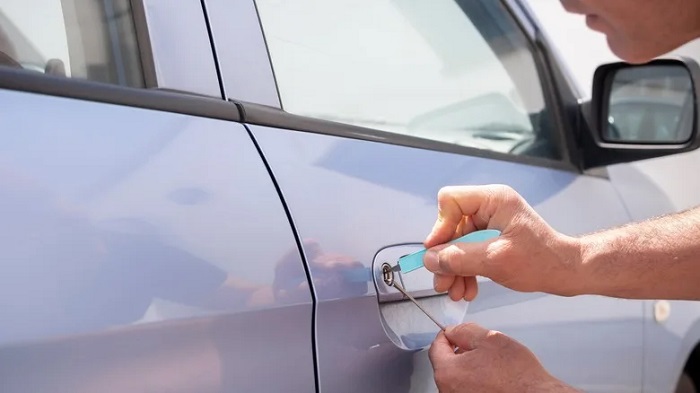
Opening a car is a task that requires an accurate assessment of the situation, an understanding of the lock design, and strict adherence to the law. This article discusses common methods for opening doors and the trunk without damage, typical mistakes and precautions, as well as cases where attempting to open the door yourself can lead to broken lock cylinders, door deformation, or triggered security systems.
Special attention is given to rules for confirming access rights to the car, safe work around airbags and electrical components, and choosing the correct method for a specific lock model and type. If you need professional assistance, you can order car unlocking on https://carlocksmithguelph.ca/ and receive recommendations for further protection and restoration of the locks.
Legal Grounds and Permissibility of Unlocking
Opening a car is only permitted with a legal basis: consent of the owner (or legal possessor), the need to eliminate a threat to life and health, prevent damage to property, or within the authority of authorized services and officials according to the prescribed procedure. In other situations, forced opening without a legal basis may be considered unlawful entry, causing damage, or arbitrary action, especially if the actions involve damage or seizure of property.
Before any action, it is important to ensure that the circumstances truly require access to the interior or trunk, and that less lenient measures are not possible: using the standard key, a spare key set, contacting a dealer or authorized roadside assistance service. If in doubt, document the reasons for the request and obtain explicit confirmation of the owner’s consent (message, recorded call, statement) so that you can then explain the need for opening and the chosen method.
Verification of Ownership and Recording of Actions Before Opening
Before opening, you must confirm your right to dispose of the vehicle or the authority to act on the owner’s behalf. This is typically done using documents and identifiers that allow you to match the person, vehicle, and the legality of the request: ID, vehicle registration documents, rental/leasing/car sharing agreement, power of attorney, insurance policy information, and other evidence that explains why you are the one making the decision to open the vehicle. If the owner is present, it is preferable to obtain their explicit confirmation of consent; if absent, have a demonstrable connection to the owner and their permission.
Recording actions reduces the risk of disputes about damage and the circumstances of the opening. Before the break-in, it’s advisable to take photos/videos of the entire vehicle, including locks, windows, seals, handles, the current condition of the doors, and any visible defects. A general plan with the license plate number (unless this violates privacy requirements or local regulations) is also taken. Additionally, record the time, location, and reason for the break-in, the participants (perpetrator, complainant, and any witnesses), the method chosen, and the measures taken to minimize damage. After opening, re-take photos of the result and list the actions performed, especially if there were signs of tampering.
- Check the grounds: the owner’s consent or other legal reason for access.
- Confirm the right: documents/authority and contact with the owner, if absent.
- Record the initial state: photos/videos before work began and a description of the circumstances.
- Agree on the scope of work: what exactly needs to be opened and why, to ensure that no action is taken beyond the necessary limits.
- Record the result: the state after opening and any changes/damage.